Perched high on Bradnor Hill above the market town carrying the same name, Kington Golf Club has spent the last century carving out a unique place in the history of English golf. As the club celebrates its centenary in 2026, it stands not only as the highest 18-hole golf course in England, but also as one of Herefordshire’s most distinctive sporting landmarks.
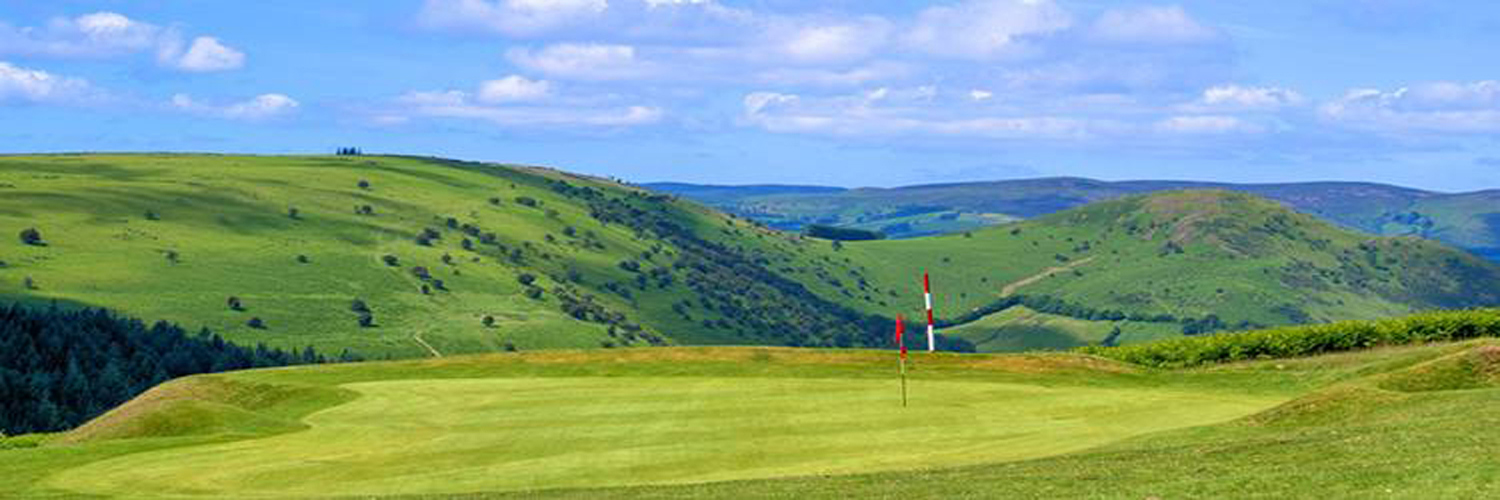

By the early 1920s, enthusiasm for the game of golf had grown sufficiently for local golfers and community leaders to pursue something ambitious: a full 18-hole course on the dramatic upland terrain of Bradnor Hill, Kington.
The course officially opened in 1926 and was designed by Major Cecil Key Hutchison, one of the leading golf architects of his generation, who also contributed to the celebrated courses at Gleneagles. Hutchison recognised immediately that the exposed hillside offered something rare and special. Rather than force the landscape to fit conventional golf design, he allowed the natural contours, rolling fairways and open moorland turf to shape the course itself. A century later, much of his original design remains remarkably unchanged.
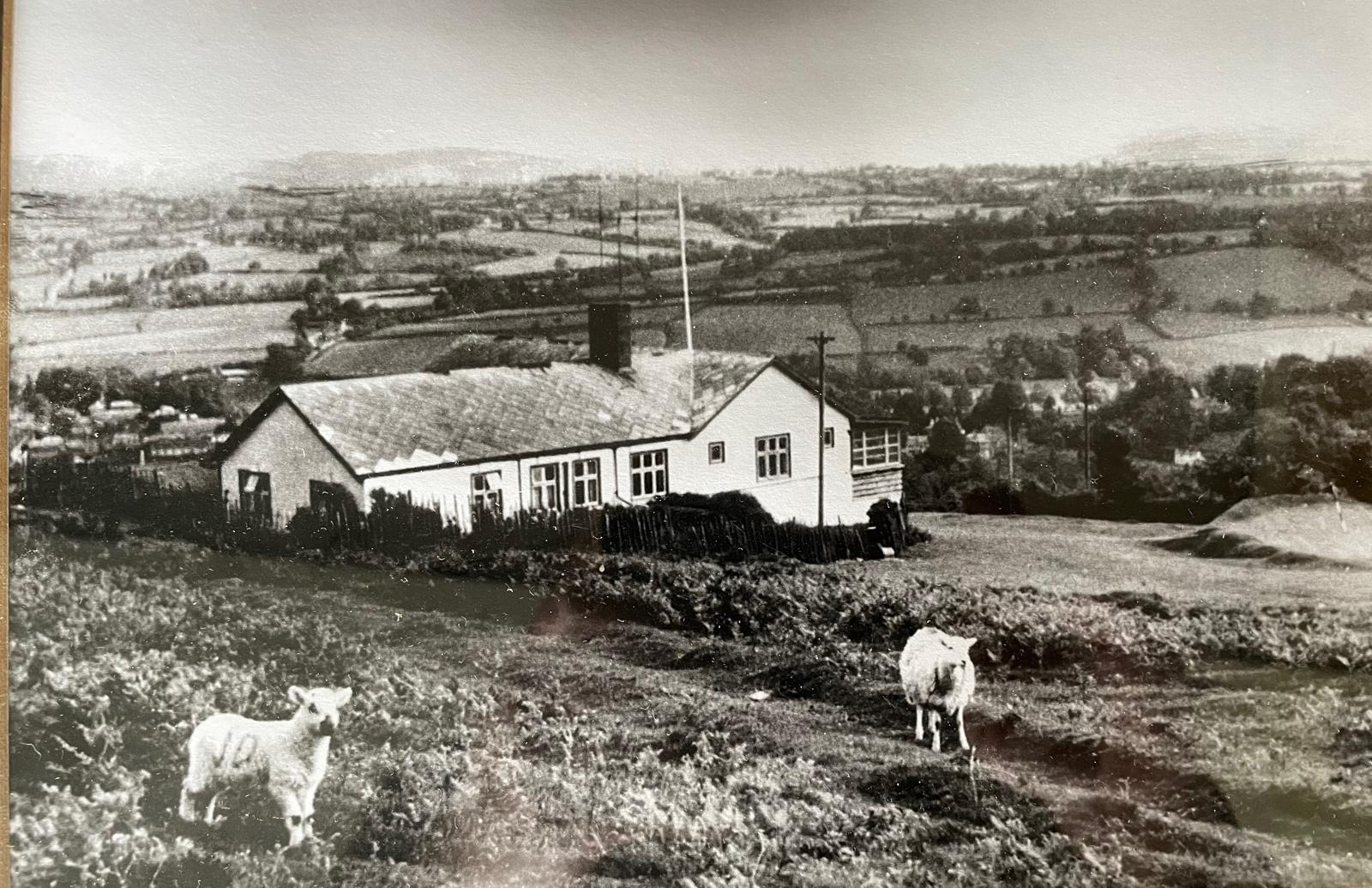
At 1,284 feet above sea level, Kington quickly earned national attention as the highest 18-hole golf course in England. Yet altitude alone never defined the club. Visitors became equally captivated by the panoramic views stretching across the Welsh borders, the Brecon Beacons, the Black Mountains and the rolling Herefordshire countryside. The course developed a reputation as a natural “inland links,” with springy turf and fast-running fairways that remained playable even during wet winters when many other courses were closed.
One of Kington’s most unusual features is the complete absence of bunkers. Instead of artificial hazards, golfers are challenged by the wind, the undulating terrain and the clever positioning envisioned by Hutchison almost one hundred years ago.
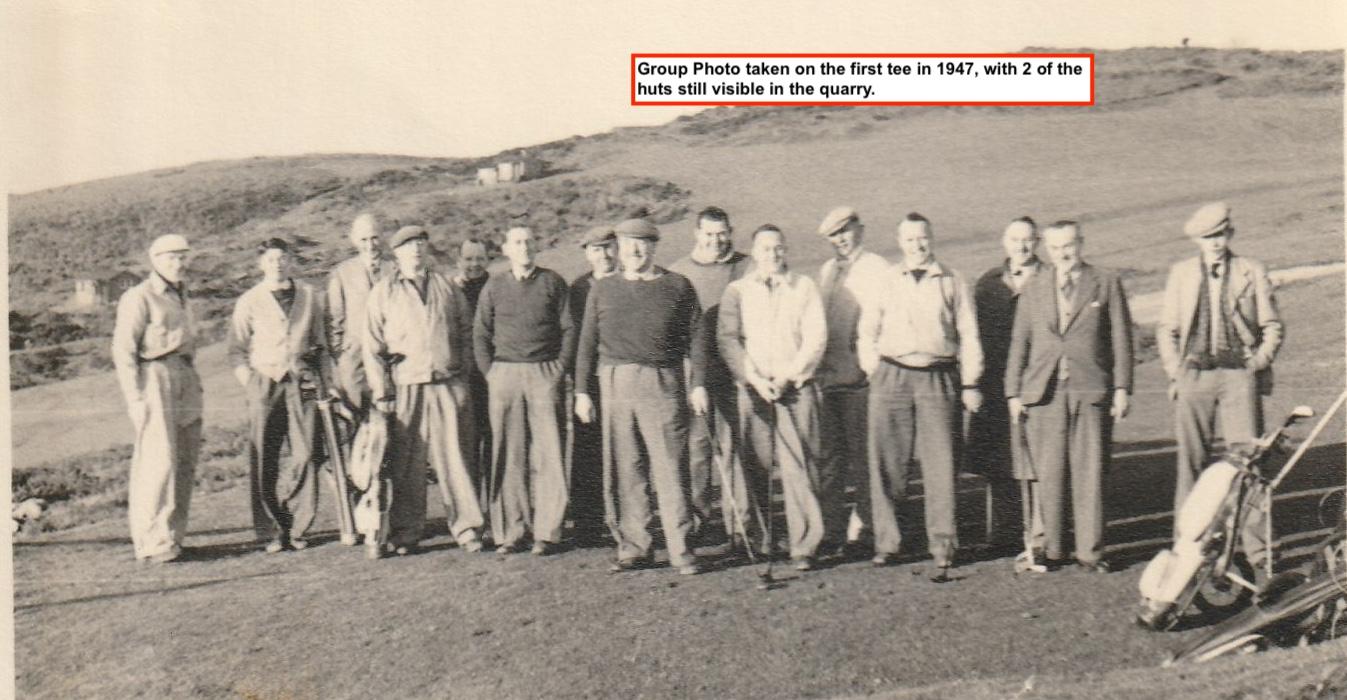
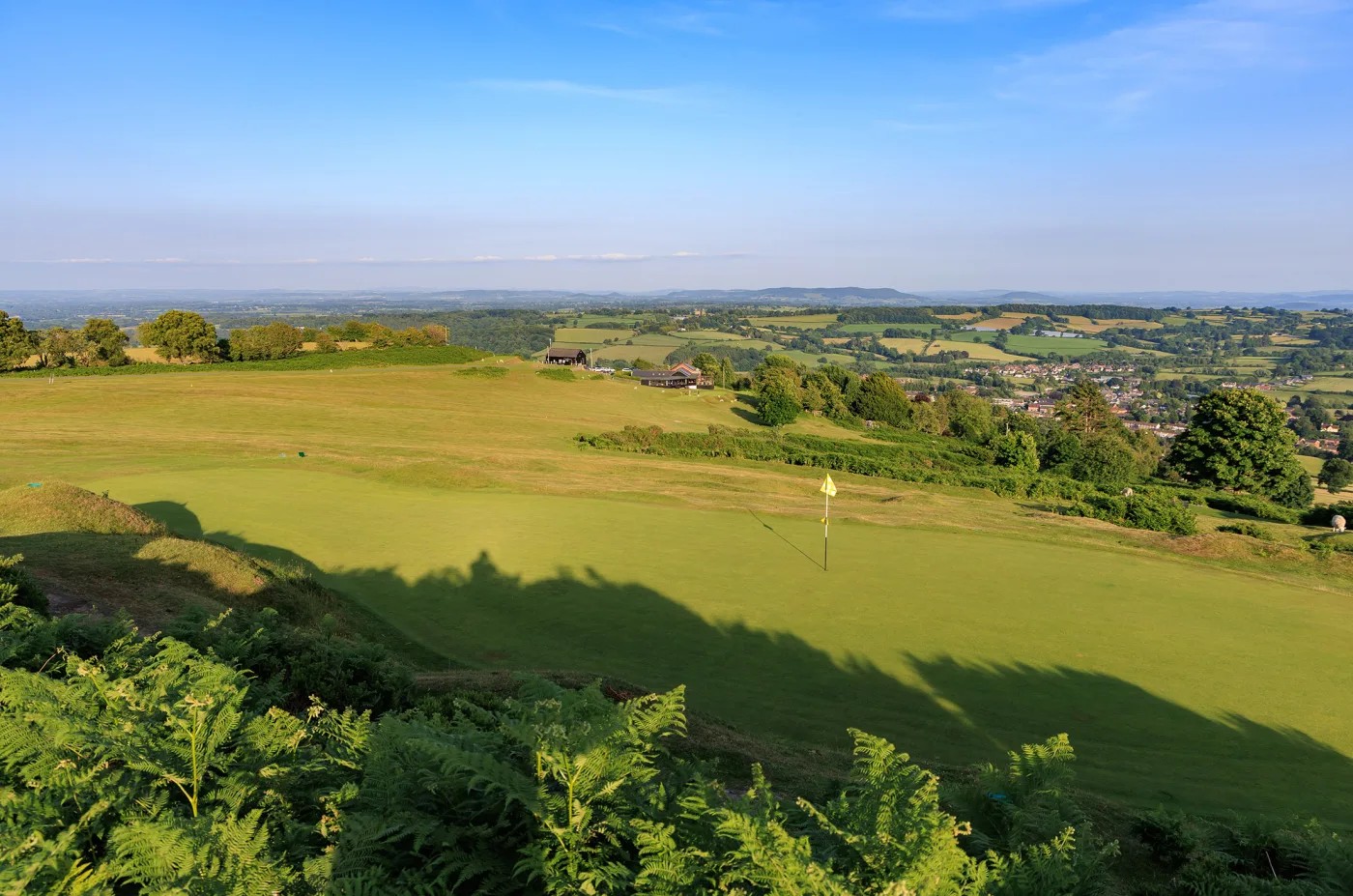
Throughout its history, the club has remained deeply connected to the local community. Generations of members, volunteers and greenkeepers have preserved not only the course itself but also the welcoming spirit for which Kington is known. The clubhouse has long served as a gathering place overlooking the final hole and the distant Welsh hills, while the club has continued to welcome visitors from all backgrounds to experience golf in one of England’s most spectacular settings.
The centenary celebrations in 2026 honour both the club’s heritage and its future. Special exhibitions have displayed rare archives, photographs and memorabilia, including a putter once owned by Major Hutchison himself. New projects around the course, including refurbished signposts pointing toward famous golfing destinations such as St Andrews and Augusta National, symbolise the pride Kington takes in its remarkable story.
100 years after its founding, Kington Golf Club remains a place where history, landscape and sport come together. From its windswept fairways above the Welsh border to the generations who have cared for it, the club’s first century has been defined by resilience, character and community — qualities that will undoubtedly guide it into its second 100 years.